Lake St. Clair Waterfront Buyer Guide · 2026
How to Buy a Waterfront Home on Lake St. Clair
What serious buyers should evaluate before making an offer—from canal depth and bridge clearance to seawalls, flood risk, insurance, inspections, financing and choosing the right waterfront community.
A Different Kind of Purchase
Why Lake St. Clair waterfront homes require specialized due diligence
A Lake St. Clair waterfront purchase involves two properties at once: the home you live in and the waterfront system you use.
The house still matters—condition, layout, mechanical systems, renovations and location remain important. But waterfront ownership introduces another layer of questions involving the seawall, dock, lift, water depth, frontage, drainage, flood risk, permits, access route and the size of vessel the property can practically accommodate.
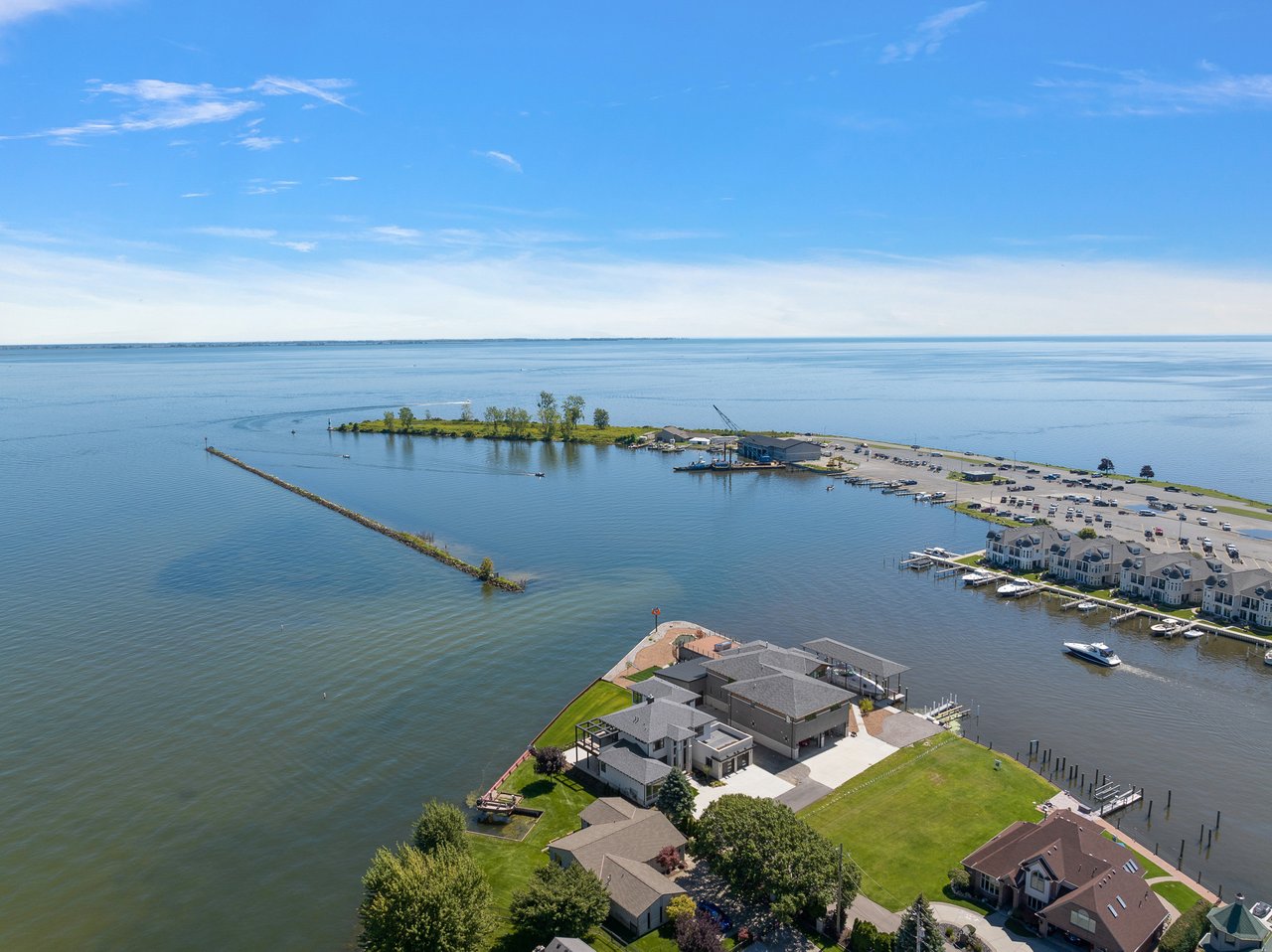
Two homes with similar square footage on the same street may offer very different boating experiences. One may have deep water, a broad turning basin and an unobstructed route to the lake. Another may involve a low bridge, shallow canal mouth or long no-wake route. Those differences affect enjoyment, resale, maintenance and the number of future buyers who will consider the property.
Start With the Lifestyle
Canal, river, channel or direct lakefront?
“Waterfront” is not one property type. Each setting offers a different combination of views, protection, access, exposure, maintenance and price.
Canal Front
Private backyard dockage, protected water and broad housing variety. Buyers must evaluate depth, width, bridge clearance, route time and seasonal navigability.
Direct Lakefront
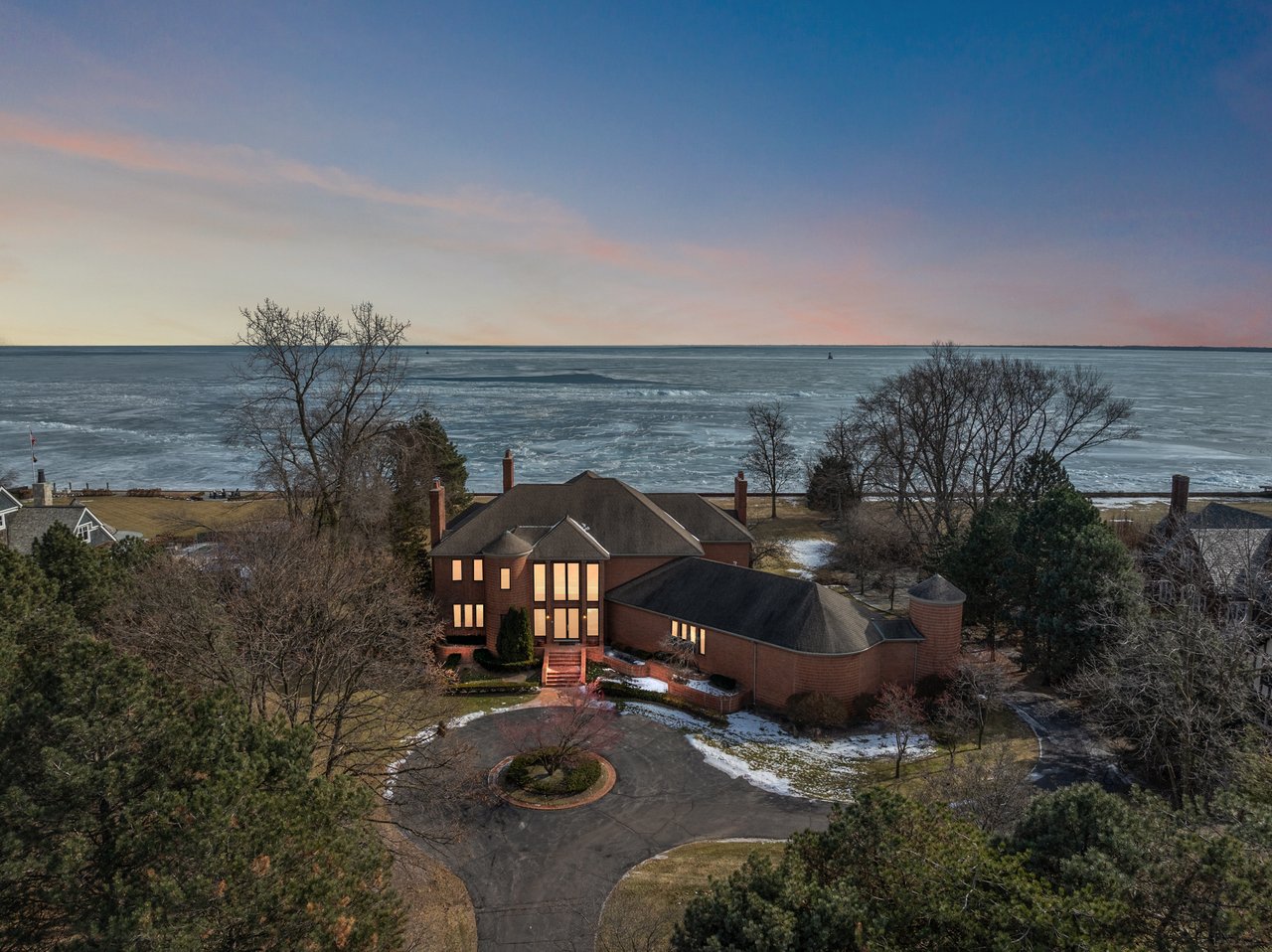
Open-water views and immediate lake access with greater exposure to wind, wave action, ice and shoreline-maintenance demands.
River or Channel
Potentially deeper water and active boating routes, with current, marine traffic, wake exposure and no-wake travel requiring consideration.
Waterfront Condominium
A lower-maintenance option that may include assigned dockage, marina access or shared shoreline. Review association documents, dock rights and vessel restrictions carefully.
The Waterfront Test
Eight factors to evaluate before making an offer
The strongest due diligence begins before the offer is written. Confirm what can be confirmed early, then build appropriate inspection and review protections into the transaction.
Water Depth and Navigability
Depth at the dock is only the beginning. Buyers should understand the route through the canal, river or channel, including the canal mouth, known shallow areas, seasonal water-level changes, turns, neighboring lifts and obstructions.
Ask how the seller uses the water, what vessel has been kept there and whether access changes late in the season. Those answers are useful—but they should not replace independent verification when vessel compatibility is critical.
Bridge Clearance and Route Restrictions
A bridge between the property and open water may limit boats with a raised helm, radar arch, tower, hardtop or mast. Clearance can also change with water level.
Identify every bridge and restriction along the route. A property may provide attractive dockage while being incompatible with the vessel you own or plan to purchase.
Frontage, Dockage and Turning Space
Water frontage influences dock length, privacy, space between neighboring boats and the ability to configure lifts or multiple vessels. Confirm frontage through a survey or reliable property documentation rather than relying solely on marketing remarks.
Evaluate the usable dock area, not only the recorded frontage. Shoreline shape, setbacks, neighboring structures and canal width may affect the practical boating setup.
Seawall, Shoreline and Erosion Protection
Inspect the seawall for movement, cracking, corrosion, failed tiebacks, displaced caps, washout, voids and drainage concerns. Direct-lake properties may involve revetments, riprap or other shoreline-protection systems rather than a traditional vertical seawall.
Replacement cost varies materially with access, engineering, soil, water conditions, permit requirements and the selected system. Obtain property-specific contractor input instead of applying a generic per-foot estimate.
Dock, Lift, Power and Water
Review the dock’s construction, age, movement, supports, decking and attachment points. Confirm the lift’s rated capacity, beam and compatibility with the intended vessel.
Shore power, lighting, water lines and other dock utilities should be evaluated for condition and safety by qualified professionals when appropriate.
Permits and Waterfront Improvements
Do not assume an existing seawall, dock, lift, dredging project or shoreline improvement was authorized simply because it has been present for years. Ask for available permits, plans, invoices and contractor records.
Michigan EGLE and the U.S. Army Corps of Engineers use a joint application process for many activities where land meets water. The exact approvals depend on the water body, location and proposed work.
Drainage, Grade and Water Management
Waterfront homes may rely on pumps, grading, drainage lines, backflow protection and other systems to manage groundwater, rain and changing lake levels. Inspect basements, crawl spaces, sump systems, exterior drainage and low areas of the yard.
Ask about prior water entry, insurance claims, flood events, pump replacements and power-backup systems.
Orientation, Views and Exposure
Orientation influences morning and afternoon sun, sunset views, prevailing wind, wave exposure and how the outdoor spaces feel throughout the boating season.
Treat orientation as a property-specific lifestyle and resale consideration—not as a universal percentage adjustment. The value depends on the quality of the view, privacy, home design and competing alternatives.
Flood Risk, Insurance & Financing
Understand the full cost of ownership before committing
Flood designation, insurance availability and lender requirements can differ property by property. Verify them early enough to influence your offer—not after the inspection period is nearly over.
Flood Mapping
Confirm the property’s current FEMA information
Use the FEMA Flood Map Service Center to review the official flood map for the address. Confirm the mapped zone, effective map date and whether any map amendments or revisions apply.
Insurance
Quote coverage during due diligence
Premiums depend on the structure, elevation, coverage, deductible, claims history and insurer. Obtain quotes for flood, homeowners and any applicable excess or wind-related coverage before removing contingencies.
Elevation Documentation
Request available records
An Elevation Certificate may help document building elevations and support floodplain or insurance review, but not every property will have one. A qualified surveyor, engineer or architect may be needed to prepare or update it.
Financing
Use a lender familiar with waterfront property
Waterfront features, flood requirements, private roads, condominium dock rights and unusual improvements may require additional appraisal or underwriting review. Confirm loan structure and documentation expectations early.
Appraisal
The comparable set must reflect the water
Canal, river, direct-lake and condominium sales are not interchangeable. The appraisal should account for waterfront type, access, frontage, view, lot, dockage and home quality whenever reliable comparable data is available.
Total Ownership Cost
Budget beyond the mortgage
Consider insurance, dock and lift maintenance, seawall or shoreline work, winterization, pumps, utilities, landscaping, association fees and future capital projects.
Waterfront-Specific Inspection
A standard home inspection is only one part of the review
The inspection team should be matched to the property. One professional may not have the expertise or licensing to evaluate every house, shoreline, marine and environmental component.
General Home Inspection
Evaluate the structure, roof, electrical, plumbing, heating, cooling, foundation, basement or crawl space, appliances and visible safety concerns.
Seawall or Shoreline Review
Use a qualified seawall contractor, marine contractor, civil engineer or other appropriate specialist when condition or replacement risk is material.
Dock and Lift Evaluation
Confirm structural condition, rated capacity, maintenance history and compatibility with the intended boat. Review electrical and utility components separately when necessary.
Sewer, Drainage and Pumps
Consider sewer scope, sump and backup-pump review, drainage performance and evidence of prior water entry—particularly on low-lying or older properties.
Survey, Title and Dock Rights
Confirm boundaries, frontage, encroachments, easements, shared access, riparian or littoral issues, dock assignments and association rights through the appropriate survey, title and legal professionals.
Permit and Record Review
Review municipal and environmental records relevant to additions, docks, lifts, seawalls, dredging, shoreline work and other property improvements.
Where Should You Buy?
Choosing the right Lake St. Clair waterfront community
Begin with how you want to use the water, then compare housing, boating access, commute, community character and long-term resale.
Harrison Township
Broad inventory and active boating
Canal, river, channel, marina-oriented and direct-water options create one of the region’s most varied waterfront markets. Route, depth and dockage differ significantly by location.
St. Clair Shores
Residential canals and the Nautical Mile
Established neighborhoods, private backyard dockage and proximity to marine services and waterfront dining make St. Clair Shores a frequent entry point into canal-front ownership.
The Grosse Pointes
Scarce direct lakefront and estate properties
Architecture, privacy, lot scale, views and community amenities often carry as much weight as active boating infrastructure in this limited luxury segment.
Chesterfield Township
Anchor Bay and larger custom homes
Canal and bay-oriented properties include newer and larger homes, with depth, route and exposure varying throughout the market.
New Baltimore
Anchor Bay with small-city character
Waterfront and marina-adjacent properties pair northern lake access with a walkable downtown, community events and a quieter shoreline lifestyle.
Offer and Negotiation Strategy
Protect the purchase without weakening the offer unnecessarily
The right offer balances price and competitiveness with enough time and access to investigate the waterfront features that materially affect ownership.
Define the Due-Diligence Scope
Identify the home, seawall, dock, lift, drainage, insurance, survey, title and permit reviews needed before selecting contingency timelines.
Separate Real Defects From Preferences
Focus negotiations on material condition, safety, legal and functional issues rather than treating every future improvement as a seller obligation.
Evaluate Terms With Price
Financing, appraisal, inspection rights, occupancy, inclusions, dock equipment and closing timing can be as important as the headline offer price.
Confirm Representation Costs
Buyer-agent compensation and other brokerage costs should be addressed through the applicable representation agreement and offer terms. Do not assume a universal payment structure.
Before You Remove Contingencies
Lake St. Clair waterfront buyer checklist
These questions help organize the due-diligence process. The property may require additional review based on its age, location, shoreline and ownership structure.
Continue Your Waterfront Research
Lake St. Clair buyer resources
Explore current homes, community guides, market reports and lifestyle resources before narrowing your search.
This guide is for general informational purposes and is not legal, engineering, environmental, insurance, lending, surveying or inspection advice. Conditions, water levels, navigation, permit requirements, flood information, insurance availability and property rights may change and must be independently verified for the specific property. Consult the appropriate licensed professionals and government agencies before making a purchase decision.